The Mahabharata

Epic of Ancient India

Discover the timeless tale of duty, righteousness, and the eternal struggle between good and evil that has shaped Indian culture for millennia.

Explore the Epic Wisdom Teachings

The Greatest Epic Ever Told

An ancient Indian epic that forms an important part of the Hindu cultural heritage

The Story of Dharma

The Mahabharata is one of the two major Sanskrit epics of ancient India, the other being the Ramayana. With over 100,000 shlokas (verses), it is the longest epic poem in the world.

The epic narrates the struggle between two groups of cousins in the Kurukshetra War and the fates of the Kaurava and the Pandava princes and their successors.

Composed by the sage Vyasa, the Mahabharata contains philosophical and devotional material, such as a discussion of the four "goals of life" or purusharthas.

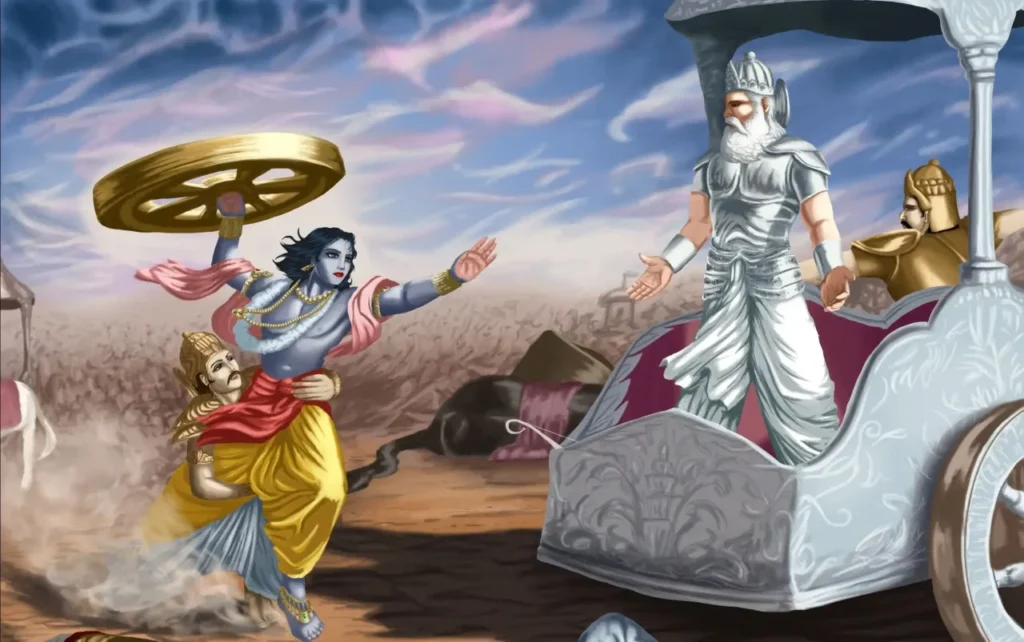
At the heart of the Mahabharata lies the Bhagavad Gita, a sacred dialogue between Prince Arjuna and Lord Krishna that addresses moral dilemmas and the nature of duty.

Ancient Indian Manuscript

Key Characters

The central figures in the epic drama of the Mahabharata

Lord Krishna

Lord Krishna

Divine Guide

The eighth avatar of Vishnu, who served as Arjuna's charioteer and spiritual guide during the Kurukshetra War.

Arjuna

Arjuna

Peerless Archer

The third Pandava brother, a master archer, and central figure of the Bhagavad Gita.

Bhishma

Bhishma

Grandsire

The grand uncle of both the Pandavas and Kauravas, bound by his vow of celibacy and loyalty to the throne.

Draupadi

Draupadi

Fire-born Princess

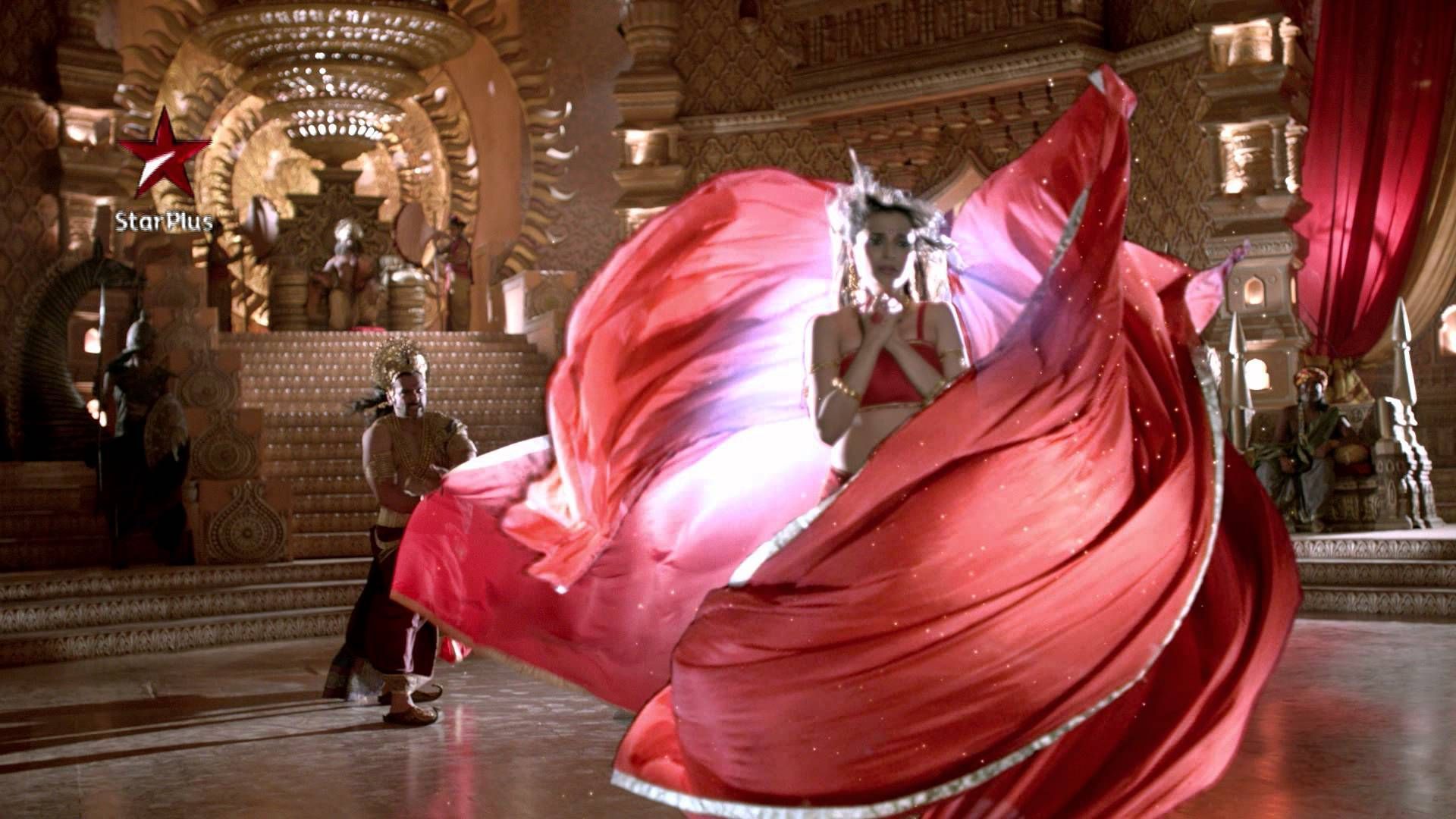
Wife of the five Pandava brothers, known for her intelligence, courage, and devotion.

Duryodhana

Duryodhana

Eldest Kaurava

The main antagonist, whose jealousy and ambition led to the great war of Kurukshetra.

Yudhishthira

Yudhishthira

Dharmaraja

The eldest Pandava, known for his unwavering commitment to dharma (righteousness).

Timeless Wisdom

Eternal teachings from the Bhagavad Gita and the Mahabharata

The Nature of Duty

"Your right is to perform your duty only, but never to its fruits. Let not the fruits of action be your motive, nor let your attachment be to inaction."

- Bhagavad Gita 2.47

Equanimity

"A person is said to be established in self-realization and is called a yogi when he is fully satisfied by virtue of acquired knowledge and realization. Such a person is situated in transcendence and is self-controlled. He sees everything—whether it be pebbles, stones, or gold—as the same."

- Bhagavad Gita 6.8

The Eternal Soul

"The soul can never be cut into pieces by any weapon, nor burned by fire, nor moistened by water, nor withered by the wind."

- Bhagavad Gita 2.23

True Renunciation

"Without sacrifice, where is happiness? Indeed, the sacrifice of selfish desires is necessary for happiness. Renunciation of all that binds us to the ego is the highest path."

- Mahabharata